Red Wine Glass Sticker Design: A Stitcher's Review
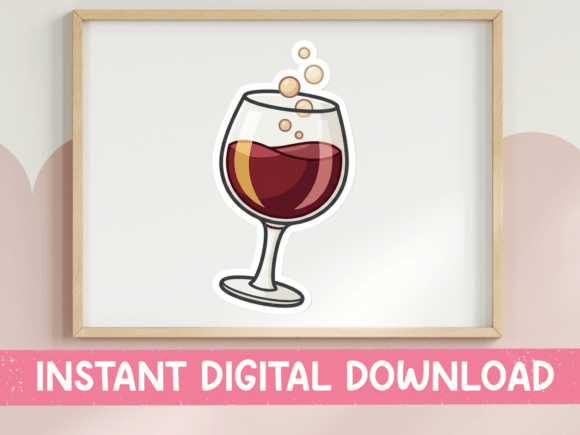
As someone who spends more time at the hoop than at the actual dinner table, I am always skeptical of "sticker-style" graphics when they are translated into thread. There is a specific charm to flat, vector-like art, but making it work as a machine embroidery design requires a keen eye for density and edge definition. When I first pulled up the Red Wine Glass Sticker Design, my initial reaction was one of cautious optimism. The concept—a round-bottomed glass filled with deep burgundy and ruby red wine, topped with golden bubbles—hits a sweet spot for current trends. It feels modern, slightly retro, and undeniably fun. However, seeing a graphic on a screen is vastly different from watching a needle punch through fabric. Here is my honest assessment of how this design holds up for real-world embroidery projects.
First Impressions and Visual Personality
The mood of this design is immediate: it screams "happy hour" and relaxation. The color palette suggested by the description relies heavily on rich reds and golds, which generally translate beautifully into thread. In the world of T-Shirt Designs and Graphics, bold colors often get lost in translation, but embroidery thrives on them. The round-bottomed shape of the glass offers a stable silhouette that should stitch out cleanly without too many jagged edges, provided the digitizing is sound. The inclusion of "champagne-style bubbles" is the tricky part. In a printed sticker, these are crisp dots; in embroidery, they risk becoming muddy if the stitch density is too high or if the stitches are too small for the fabric grain.
Visually, this piece feels like it belongs on something casual yet curated. It has the personality of a boutique logo or a statement piece on a garment. It isn't trying to be hyper-realistic; instead, it leans into a stylized aesthetic that works well for custom apparel and lifestyle accessories. The simplicity of the glass outline allows the fill of the wine to take center stage, creating a focal point that draws the eye immediately.
Real-World Application Scenarios
To truly test the viability of the Red Wine Glass Sticker Design, I imagined a specific client request: a local vineyard needed branded merchandise for their upcoming harvest festival. They wanted something that felt premium but approachable. My mind went straight to a heavy-canvas tote bag design. The sturdy texture of canvas provides an excellent foundation for the satin or fill stitches likely used in the wine portion of the glass. The contrast of the golden bubbles against the deep burgundy would pop brilliantly against a natural or black bag.
Beyond tote bags, I can see this thriving as sweatshirt embroidery. Imagine a cozy, oversized crewneck in heather grey or oatmeal. Placing this design on the left chest or as a larger back print creates an instant conversation starter. It fits perfectly into the "wine mom" or "weekend vibes" niche that dominates many Etsy seller shops. For a small shop product, this could also work wonderfully on aprons for a cooking class or on tea towels as a holiday gift. The key here is the versatility of the image; it doesn't scream "Christmas" or "Birthday" specifically, making it a year-round asset for a craft business.
If you are selling digital embroidery files, this design serves as a strong addition to a portfolio focused on food and beverage themes. It appeals to buyers looking for quick, impactful designs that don't require hours of stitching time but still look professional in a printable mockup or finished product photo.
Technical Considerations and Fabric Challenges
While the design is charming, there are technical hurdles to consider before hooping up. The "sticker" aesthetic often implies a solid fill with a defined border. If this design uses a dense fill stitch for the wine, it could cause puckering on lightweight or stretchy fabrics. I would strongly advise against using this on a thin rayon blouse or a slippery performance tee without significant stabilization. For those materials, a cut-away stabilizer is non-negotiable to maintain the shape of the round bottom.
Curved surfaces present another challenge. If you plan to use this on a cap, the round bottom of the glass might distort slightly depending on the curvature of the front panel. The tiny golden bubbles mentioned in the description are the most vulnerable element. On a textured fabric like a waffle knit or a looped towel, these small details could get lost or merge together. In such cases, simplifying the bubble detail or increasing their size during the digitizing phase (if you have editing rights) might be necessary.
Dark fabrics are a double-edged sword. While the red wine color will look luscious on black or navy, you must ensure there is an appropriate underlay. Without a solid white or light grey underlay, the deep burgundy might look dull or blend too much with the background fabric, losing that vibrant "ruby red" quality described in the product details. Always check the thread colors suggested in the file; sometimes, swapping a standard red for a variegated thread can add depth that mimics the liquid look of wine.
Enhancing Brand Value and Customer Trust
In the competitive market of commercial embroidery, the quality of your finished goods dictates your reputation. A design like the Red Wine Glass Sticker Design can elevate a basic item into a handmade product that feels bespoke. When a customer sees clean edges, consistent stitching, and vibrant color transitions, it builds trust. They perceive the item as higher value, which justifies a higher price point for your personalized gift or boutique offering.
However, consistency is key. If you are using this as part of a larger collection of design assets, ensure that the stitch style matches your other offerings. If your brand is known for delicate, sketch-style embroidery, this bold, filled graphic might feel out of place unless intentionally contrasted. For apparel decorators, this design offers a chance to showcase proficiency with color blending and saturation, two elements that customers notice immediately.
Practical Notes for the Embroiderer
Before committing to a production run or listing this as a finished item, there are several steps I recommend taking. First, test the design on scrap fabric that matches your final material. This is the only way to gauge how the stitch density interacts with the weave. Second, review the hoop size requirements. While the description suggests a compact graphic, ensure your machine's hoop can accommodate the full width of the glass without needing a re-hoop, which can lead to alignment issues.
Inspect the small details closely. Are the bubbles connected securely to the main fill, or are they floating islands of stitching that might snag? If they seem fragile, consider adding a tie-in or adjusting the pathing. It is also wise to view the design in a black-and-white mockup to check for contrast issues; if the wine and the glass outline blend together in grayscale, they might lack definition in real life.
Finally, verify the licensing terms. Since this is categorized under T-Shirt Designs and Graphics, confirm whether the license allows for unlimited physical sales or if there are restrictions on the number of finished products you can create. Never assume a file is free for commercial use unless explicitly stated. By taking these precautions, you ensure that the Red Wine Glass Sticker Design becomes a reliable staple in your catalog rather than a source of frustration.
In conclusion, this design has genuine potential for small business owners and hobbyists alike. It captures a popular theme with a stylish execution. With the right fabric choices, proper stabilization, and a bit of pre-production testing, it can result in a stunning finished product that resonates with wine lovers and design enthusiasts everywhere.