Tropical Island SVG: A Designer's Review for Real Embroidery
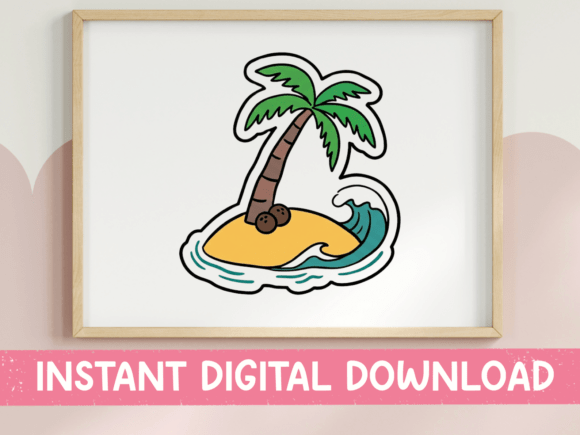
As someone who spends more time at the hoop than on the beach, I am always skeptical of "sticker-style" graphics when they are converted into a machine embroidery design. There is a distinct difference between a vector graphic meant for a screen and an embroidery file meant to survive a wash cycle. When I first opened the Tropical Island SVG, my immediate reaction was one of cautious optimism. The preview promised a cheerful scene: a tall palm tree leaning casually over a sandy shore, coconuts resting at the base, and a bright teal wave curling around the edge. It sits in a clean sticker shape, which usually translates well to patches or appliqué, but the devil is always in the stitching details.
First Impressions and Visual Personality
The mood of this design is undeniably vacation-ready. It captures that specific, relaxed vibe of a tropical getaway without feeling cluttered. From a layout perspective, the leaning palm tree creates a nice dynamic line that draws the eye across the composition, while the curling wave provides a solid foundation. For an embroidery project, this balance is crucial. If the elements are too scattered, the thread can look messy; if they are too dense, the fabric puckers.
Visually, the Tropical Island SVG feels like it belongs in the realm of modern, flat-design illustrations. This style works exceptionally well for T-Shirt Designs and Graphics intended for younger demographics or boutique summer collections. The clean lines suggest that the digitizer likely utilized a mix of satin stitch for the outlines and textural elements, and fill stitch for the larger areas like the sand and the wave. However, before committing to a client order, I always ask: how does this translate from a digital preview to actual thread?
Real-World Application: The Summer Tote Bag Scenario
To truly test the viability of this design, I imagined a specific real-life scenario: creating a run of custom tote bags for a local beachside café. These bags needed to be durable, visually striking, and capable of handling frequent use. The Tropical Island SVG seemed like a perfect candidate for a large front-panel embroidered patch or direct-to-garment embroidery on heavy canvas.
In this context, the "sticker shape" of the design becomes a major asset. By treating the entire island scene as a single unit with a defined border, you eliminate the need for complex masking on textured fabrics. The coconuts at the base add a nice touch of detail that breaks up the solid mass of the "sand," preventing the bottom of the design from looking like a boring block of color. For a small shop product or an Etsy seller looking to expand their summer inventory, this design offers high visual appeal with a relatively straightforward execution path.
If I were producing these for a craft business, I would lean heavily into the color contrast. The bright teal wave needs to pop against the beige or light brown of the sandy shore. On a navy blue tote bag, this design would shine, offering a vibrant splash of color that feels premium rather than cheap. It elevates a simple handmade product into something that feels like branded merchandise.
Navigating Fabric Challenges and Stitch Density
While the design shines on sturdy canvas, I have concerns about how the Tropical Island SVG would perform on stretchy or thin fabrics. The leaning palm tree introduces a long, continuous element that could be prone to distortion if the stitch density is too high or if the wrong stabilizer is used. On a lightweight cotton t-shirt or a baby onesie, the weight of the thread might cause the fabric to pucker, ruining the clean "sticker" silhouette.
For baby embroidery or delicate custom apparel, I would strongly advise testing this on scrap fabric first. You need to ensure that the transition between the wave and the shore doesn't create a thick ridge of thread that would be uncomfortable against sensitive skin. Additionally, the detailed corners of the curling wave and the individual coconuts require precise registration. If your machine tension is slightly off, these small details could blur together, losing the crisp definition that makes the design work in the first place.
Curved surfaces present another hurdle. Applying this to a cap or a hat requires careful hooping. The wide base of the design might not fit well on a standard cap frame without significant resizing, which could compromise the legibility of the smaller elements like the coconuts. For sweatshirt embroidery, however, the thicker fabric provides enough stability to support the design's weight, making it an excellent choice for winter-to-summer transition gear or souvenir hoodies.
Enhancing Brand Value and Customer Trust
From a business perspective, the quality of your design assets directly impacts customer trust. A sloppy embroidery job with pulled threads or gaps in the fill can make a personalized gift look amateurish. The Tropical Island SVG, when executed correctly, projects professionalism. It tells the buyer that attention was paid to the finish.
For commercial embroidery projects, consistency is key. If you are selling this as part of a collection, you need to ensure that the thread colors remain consistent across different batches. The specific shade of teal in the wave is a signature element; if it varies too much, it affects brand recognition. Using high-quality rayon or polyester threads will ensure the finished product retains its vibrancy after multiple washes, which is essential for items like tea towels, aprons, or pillow covers that see regular use.
Practical Notes for the Working Designer
Before you load this digital embroidery file onto your machine, here are a few practical steps I recommend based on my experience:
- Check the License: Always confirm the licensing terms before selling finished items or using the design in commercial products. Some creators allow personal use only, while others offer extended licenses for Etsy listings and craft fair products.
- Test on Scrap: Never skip the test stitch-out. Use the same fabric and stabilizer combination you plan to use for the final product to check for puckering or pull-compensation issues.
- Review Stitch Direction: Examine how the fill stitches are angled in the wave and the sand. Changing the angle can sometimes reduce shine variance and improve the overall texture.
- Mockup Verification: Create both color and black-and-white printable mockups to ensure the design holds its shape even without color cues. This helps identify potential clarity issues in small details.
- Fabric Compatibility: Be cautious with dark fabrics. Ensure the design includes an underlay or backing that prevents the garment color from showing through the lighter sand tones.
Ultimately, the Tropical Island SVG is a versatile and charming addition to any designer's library. It bridges the gap between playful illustration and functional embroidery art. Whether you are creating a holiday embroidery gift for a traveler, stocking up on summer tote bag designs, or adding a splash of fun to a nursery decor item, this design has the potential to perform beautifully. Just remember that the magic lies not just in the file itself, but in the care and technical skill applied during the stitching process. With the right preparation, this tropical scene can become a standout piece in your portfolio of finished products.