Cute Sushi SVG: A Designer's Take on Kawaii Embroidery
When I first pulled up the Cute Sushi SVG bundle on my screen, the immediate reaction wasn't just about the subject matter—it was about the potential application. As someone who spends hours digitizing and reviewing files for real-world production, I look past the initial "aww" factor of kawaii art to see how a design actually behaves under the needle. This collection, described as a clean minimalist illustration bundle, immediately signals versatility. It sits comfortably in the Icons and Graphics categories, but for us embroidery designers, the real question is whether these vector lines translate into a robust machine embroidery design that holds up on a tote bag or a toddler's onesie.
The Visual Personality and First Impressions
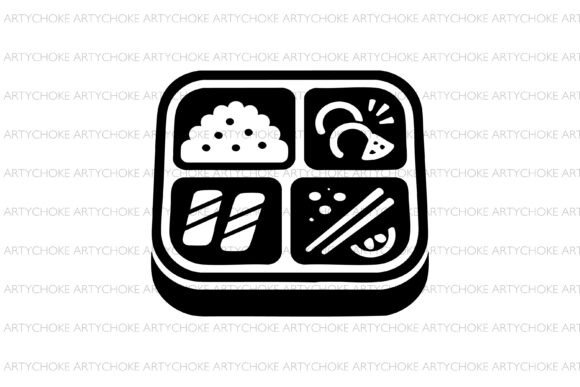
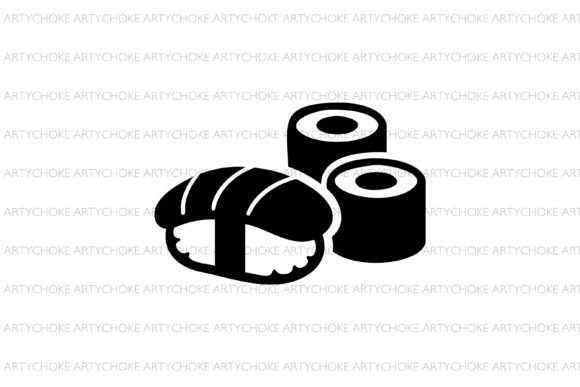
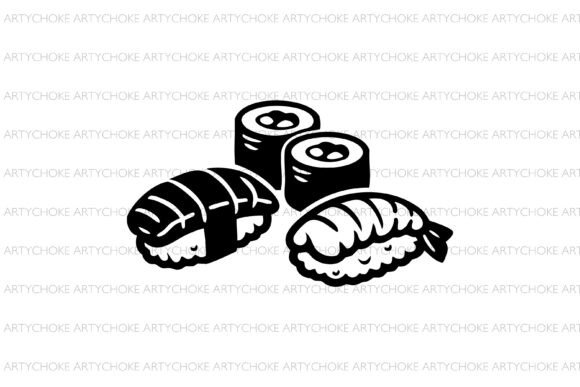
The mood here is undeniably cheerful and approachable. The minimalist style is a smart move; in the world of embroidery, less often means more durability. Complex gradients and tiny, intricate details that look great on a digital printable mockup can turn into a nightmare of thread breaks and bird nests when stitched out. The Cute Sushi SVG avoids this trap by relying on bold shapes and clear outlines. Whether it's a rolling maki, a piece of nigiri, or a happy soy sauce bottle, the visual personality is friendly without being cluttered.
For a craft business owner, this aesthetic is gold. It appeals to a broad demographic, from Gen Z shoppers looking for trendy accessories to parents wanting cute baby embroidery for a nursery. The simplicity suggests that if you were to convert these graphics into an embroidery file, they would likely rely on solid fill stitch areas bordered by clean satin stitch columns. This combination is the workhorse of commercial embroidery, offering excellent coverage and a professional finish that customers trust.
Real-World Application: The Custom Tote Bag Scenario
Let's walk through a specific scenario where I would deploy this design. Imagine a client orders a set of reusable grocery bags for a local food co-op or perhaps a boutique selling Japanese snacks. They want something fun but not childish. The Cute Sushi SVG fits this brief perfectly. I envision placing a cluster of three different sushi pieces on the lower corner of a canvas tote bag design.
In this context, the clean lines of the source graphic ensure that the final finished product looks crisp. Canvas has a distinct fabric texture, and a design with too much fine detail can get lost or distort. However, the blocky, iconic nature of these sushi illustrations stands up well against the weave of heavy cotton. If I were stitching this, I'd pay close attention to the thread colors. The minimalist style relies heavily on color blocking—bright orange for salmon, deep green for seaweed, stark white for rice. Getting the contrast right here is crucial for the design to pop. A slight misstep in shade selection could make the sushi look muddy rather than appetizing.
This same logic applies to sweatshirt embroidery. On a fleece or French terry fabric, the loft of the material can swallow small details. The bold shapes in this bundle are substantial enough to sit on top of the fabric texture without losing their identity. It creates a handmade product that feels high-value because the stitching looks intentional and solid, not fragile.
Navigating Technical Challenges and Fabric Choices
While the design is strong, a responsible designer knows where to exercise caution. The "minimalist" label is a double-edged sword. If the original SVG relies on very thin lines to define features, those might need adjustment before becoming a viable digital embroidery file. For instance, if there are tiny facial expressions on the sushi characters, those elements need to be wide enough to accommodate at least three to four stitches across. Anything thinner risks breaking during washing or wearing.
You must also consider the hoop size relative to the placement. If you are working on a curved surface like a cap or a structured hat, the available stitching area is limited. While these icons are small, cramming too many into a small hoop on a curved brim can cause registration issues. Furthermore, when working on stretchy fabrics like jersey knits for custom apparel, the density of the fill stitches becomes a critical factor. A dense design on a stretchy shirt can cause the fabric to pucker or warp over time. In these cases, using a high-quality cut-away stabilizer is non-negotiable to maintain the integrity of the embroidery project.
Dark fabrics present another consideration. Since this is a kawaii style, it likely utilizes bright, light colors. Stitching white rice or pale yellow egg onto a black hoodie requires careful planning. You may need an underlay stitch or even a fabric patch backing to prevent the dark garment color from showing through the lighter threads, ensuring the Cute Sushi SVG retains its vibrant, cheerful look.
Commercial Viability and Brand Consistency
For Etsy sellers and small shop product creators, consistency is key to building a brand. This bundle offers a cohesive look that can be applied across various items—aprons, tea towels, pillow covers, and patches—creating a unified collection. When a customer sees a matching set of kitchen textiles featuring these designs, it elevates the perceived value of the entire order. It signals professionalism.
However, before listing these as design assets or selling finished goods, you must verify the licensing terms associated with the specific download. Not all SVG bundles allow for unlimited commercial use or the sale of the digitized embroidery files themselves. Always confirm whether the license permits use in commercial embroidery projects or if it is restricted to personal crafting. This due diligence protects your craft business from legal headaches down the line.
Practical Notes for the Studio
Before committing to a full production run, treat the Cute Sushi SVG like any new asset. Here is my checklist for ensuring success:
- Test on Scrap: Always stitch a sample on the exact fabric you plan to use. What works on cotton might fail on polyester blends.
- Check Density: Review the stitch count and density. If the design feels too heavy, consider reducing the fill density slightly to improve drape on garments.
- Contrast Check: View your digitized version in black and white. If the details disappear in grayscale, the contrast is too low, and you may need to adjust the stitch types or spacing.
- Stabilizer Match: Ensure your stabilizer choice matches the fabric weight. Heavy designs on light fabric require robust support.
- Wash Testing: Run a wash test on your sample to ensure the satin stitch borders don't fray and the colors don't bleed.
Ultimately, the Cute Sushi SVG bundle represents a fantastic starting point for creative entrepreneurs. Its strength lies in its adaptability and clear visual language. Whether you are creating a personalized gift for a sushi-loving friend or stocking inventory for a holiday embroidery sale, these graphics have the structural simplicity needed to thrive in the physical world of thread and fabric. With careful digitization and thoughtful material selection, these cute icons can become the standout feature of a highly profitable and visually appealing product line.