Sushi SVG Review: A Kawaii Pick for Embroidery Projects
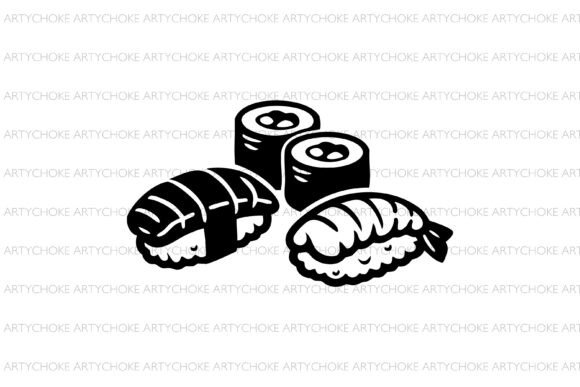
As a designer who spends more time staring at stitch maps than most people care to admit, I approach new design assets with a healthy dose of skepticism. We've all been there: you download a cute file, load it into your software, and realize the lines are too close together for a clean running stitch, or the shapes are so complex they'll turn into a thread nest on your finished product. That's why when I first laid eyes on the Sushi SVG bundle, I didn't just see a collection of Icons and Graphics; I saw a potential challenge for my machine. The description promises a "clean kawaii style," which usually translates well to embroidery, but the devil is always in the details.
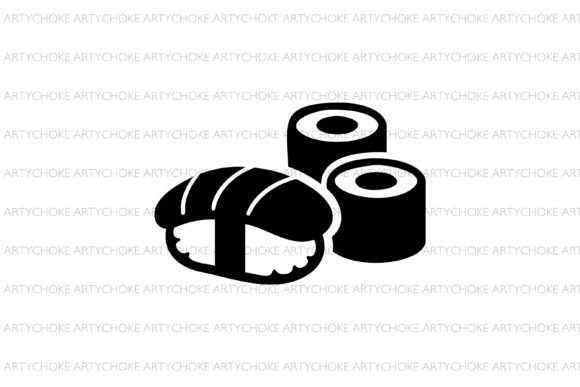
The first impression of this Sushi SVG set is undeniably cheerful. There is a specific mood that kawaii aesthetics bring to an embroidery project—it softens the look of the item and makes it instantly approachable. The minimalist Japanese food theme avoids the clutter often found in food illustrations. Instead of hyper-realistic grains of rice or glistening fish textures that would require thousands of stitches, these designs rely on bold outlines and simple color blocks. For an experienced eye, this suggests a design that prioritizes clarity over complexity, a crucial factor when translating a vector image into a machine embroidery design.
From Screen to Stitch: Real-World Application
To truly evaluate this bundle, I imagined a specific scenario: a custom order for a local boutique looking for unique tote bag design options. They wanted something fun but professional enough to sell at a craft fair. The Sushi SVG files fit this brief perfectly. Because the style is graphic and flat, it mimics the look of an applique design even if you are using standard fill stitch techniques. This versatility is gold for small business owners.
If you are an Etsy seller or run a small shop product line, consistency is key. These Graphics offer a cohesive look that can be applied across various items without losing brand identity. Imagine stitching a maki roll onto a canvas tote using a dense satin stitch border to define the seaweed, then switching to a lighter fill for the rice. The simplicity of the source file allows you, the digitizer or embroiderer, to make those creative decisions without fighting against overly intricate source lines.
Beyond totes, this Sushi SVG shines in custom apparel. Picture a oversized sweatshirt with a small cluster of sushi characters on the pocket area. The clean lines ensure that even on a textured fabric like French terry, the design remains legible. For baby embroidery, where softness and simplicity are paramount, these rounded, friendly shapes are ideal. They avoid the sharp, jagged edges that can sometimes occur with more detailed food illustrations, making them safe and visually soothing for nursery decor or little ones' clothing.
Navigating Fabric and Hoop Constraints
However, no design is universal, and practical judgment requires knowing where Sushi SVG might struggle. While the "minimalist" description is a plus, it can be a double-edged sword depending on your execution. If you are working with a small hoop size, you need to be careful about scaling. Shrinking these Icons too much could cause the individual pieces of the sushi—like the little nori strips or sesame seeds—to merge together. In embroidery, negative space is just as important as the thread itself. If the gaps between elements are too narrow, your stitch density might become too high, leading to puckering or bird-nesting.
Texture also plays a massive role. On a smooth cotton tea towel, these designs will pop with crisp definition. But if you attempt this on a highly textured waffle weave or a stretchy knit without the proper stabilizer, the clean lines of the Sushi SVG could get lost. The "kawaii" charm relies on the integrity of the shape; if the fabric pulls the design out of alignment, the cute factor diminishes quickly. For curved surfaces like caps, the flat nature of these Graphics requires careful positioning. You wouldn't want a sushi roll distorted over the seam of a hat.
Dark fabrics present another consideration. Since this is a digital embroidery file derived from a vector meant for light backgrounds (typically), you must plan your thread colors strategically. A black outline on a navy blue shirt might vanish. You may need to add a white underlay or a contrasting border to ensure the Sushi SVG stands out. This is where your expertise as a decorator comes in; the file provides the shape, but you provide the visibility.
Enhancing Value and Professionalism
Why does this matter for your bottom line? Because the perceived value of a handmade product is directly tied to its presentation. A sloppy, poorly interpreted design looks like a hobbyist mistake. A clean, well-executed version of Sushi SVG looks like a boutique item. When customers see a crisp, recognizable sushi character on a personalized gift or a piece of holiday embroidery, it builds trust. It tells them you pay attention to detail.
For those creating printable mockup previews for their online stores, the scalability of these Icons is a huge advantage. You can easily place them on various product images to show potential buyers how the embroidered patch or direct stitch would look. This visual clarity helps drive buyer engagement before they even commit to a purchase.
Practical Notes for the Studio
Before you commit to a full production run or list a new item in your craft business, here is my advice for working with this specific bundle:
- Test on Scrap First: Always stitch out a sample on the actual fabric you intend to use. Check how the fill stitch interacts with the material's weave.
- Check Contrast: View your design in black and white on your screen. If the details disappear in grayscale, they might get lost in the stitching.
- Stabilizer Selection: Don't skimp here. For stretchy fabrics used in sweatshirt embroidery, a cut-away stabilizer is often safer than tear-away to prevent distortion over time.
- Review Licensing: The product description mentions it is perfect for Cricut crafts and digital projects, but always confirm the specific terms for commercial embroidery. Ensure you are allowed to sell the physical stitched items.
- Inspect Small Details: If the SVG includes tiny elements like eyes or mouths on the sushi, verify they are large enough to be stitched cleanly without manual trimming.
In conclusion, the Sushi SVG bundle offers a delightful blend of simplicity and character that translates surprisingly well to the tactile world of embroidery. It isn't just a set of pictures; it's a versatile foundation for commercial embroidery projects, personalized gifts, and creative experimentation. By understanding its limitations regarding scale and fabric choice, you can leverage these design assets to create high-quality, marketable goods that resonate with customers. Whether you are decorating a kitchen towel or branding a line of apparel, this kawaii collection has the potential to add a fresh, flavorful touch to your portfolio.