Rice Bowl SVG: A Kawaii Icon for Modern Embroidery
As a designer who spends more time staring at stitch simulations than I do sleeping, I approach every new digital embroidery file with a healthy dose of skepticism. We have all been there: you download a cute graphic that looks perfect on the screen, load it onto your machine, and end up with a bird's nest of thread or a design that loses all its charm once stitched out. That is why I was particularly interested in putting the Rice Bowl SVG through its paces. This isn't just about whether the lines are clean; it is about whether this minimalist Asian food design can hold its own as a professional machine embroidery design for real-world products.
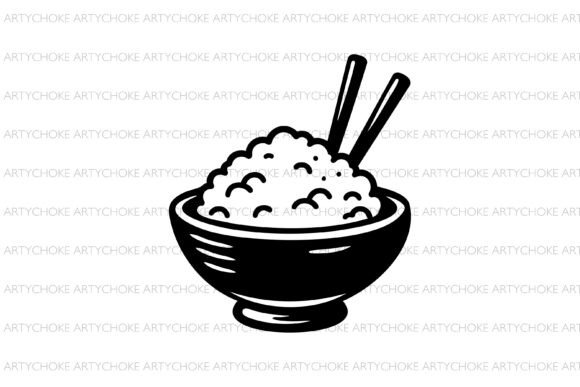
My first impression of the Rice Bowl SVG was immediate relief. In a market saturated with overly complex vectors that demand thousands of stitches, this design breathes. It captures that specific "kawaii" mood—cute, approachable, and warm—without relying on excessive detail that often gets lost in translation from vector to thread. The layout is simple: a rounded bowl, likely steaming, accompanied by chopsticks. For those of us working in the Icons and Graphics space, simplicity is often the hardest thing to achieve. This design feels like it was drawn with embroidery in mind, respecting the limitations of the needle while maximizing visual impact.
From Screen to Stitch: A Real-World Test Case
To truly evaluate this asset, I needed a scenario where clarity and durability matter. I decided to use the Rice Bowl SVG for a custom order: a set of kitchen tea towels and a canvas tote bag for a local ramen pop-up shop. The client wanted something that felt handmade but modern, avoiding the cluttered look of traditional restaurant logos.
When I prepped the embroidery file, the clean lines of the kawaii style suggested it would work beautifully as a satin stitch application for the outlines, perhaps with a light fill stitch for the bowl itself to give it weight. On the canvas tote, the design popped instantly. The minimalism allowed the texture of the fabric to show through slightly, which added a nice organic feel to the finished product. For the tea towels, which have a looser weave, the design held up surprisingly well. Because there are no tiny, isolated details or microscopic text, the risk of the design unraveling after multiple washes is significantly lower than with more intricate design assets.
This specific project highlighted why the Rice Bowl SVG is such a strong contender for small shop products. It appeals to a broad audience, from foodies to fans of Asian culture, without being niche enough to limit sales. Whether you are an Etsy seller listing custom apparel or a hobbyist making a personalized gift for a sushi-loving friend, the versatility here is undeniable. It translates effortlessly from a tote bag design to a pocket accent on a chef's apron.
Navigating Fabric Textures and Hoop Limitations
However, no design is perfect for every situation, and a responsible reviewer must point out where caution is needed. While the Rice Bowl SVG is robust, its simplicity means it relies heavily on thread colors and contrast. If you attempt to stitch this on a dark fabric using dark threads without careful planning, the "kawaii" personality will vanish into the background. I strongly recommend running a black-and-white mockup before you commit to hoopings. This helps you verify that the shape remains distinct regardless of color.
There are also considerations regarding hoop size and placement. Because this is an icon-style graphic, it shines when kept relatively small—think left chest logos on sweatshirts or corner accents on pillow covers. If you scale it up too large for a back-of-shirt sweatshirt embroidery, the lack of internal detail might make it look empty or unfinished. Conversely, if you shrink it down too much for a baby onesie, ensure your machine can handle the density. While the design appears open, cramming it into a tiny 4x4 hoop on stretchy knit fabric requires a high-quality stabilizer. Without proper backing, the rounded edges of the bowl could distort, turning your cute icon into an oval mess.
Curved surfaces present another challenge. I tested this on a structured cap, and while it worked, the chopsticks required careful positioning to ensure they didn't get swallowed by the curve of the brim. For embroidered patch creation, this design is ideal because the bold outlines define the merrow edge perfectly, but always check the stitch density settings in your software. You may need to manually adjust underlay stitches if you are working with plush fabrics like fleece or terry cloth.
Commercial Viability and Brand Consistency
For craft business owners, the value of a design often comes down to how it elevates the perceived quality of the brand. The Rice Bowl SVG offers a level of professionalism that generic clip-art lacks. When customers see clean, consistent stitching on their holiday embroidery gifts or boutique merchandise, it builds trust. This design supports that trust by avoiding the "amateur hour" pitfalls of jagged lines or confusing shapes.
Furthermore, in the world of commercial embroidery, speed is money. A design with fewer stops and simpler color changes allows you to churn out orders faster. The Rice Bowl SVG seems optimized for efficiency, making it a smart choice for high-volume periods like back-to-school seasons or holiday rushes. It works exceptionally well as part of a larger collection of food-themed icons, allowing you to create cohesive product lines for cafes, meal prep services, or culinary schools.
Final Designer Notes and Best Practices
Before you rush to digitize or download this for your next embroidery project, keep these practical tips in mind. First, always test the design on scrap fabric that matches your final material. What looks good on cotton duck might behave differently on a polyester blend. Second, pay attention to the licensing terms. While the description mentions it is perfect for Cricut and sublimation, ensure the license explicitly covers commercial embroidery if you plan to sell finished goods. Never assume a file bought for paper crafts automatically grants rights for physical resale.
Also, consider the thread palette. This design begs for warm, appetizing colors—creams, soft browns, and perhaps a pop of red or green for garnish details. Avoid neon threads unless you are going for a very specific, ironic aesthetic. Finally, remember that while this is a digital embroidery file ready for use, your machine's tension and your choice of needle play a huge role. A fresh needle is non-negotiable for achieving those crisp kawaii lines.
In conclusion, the Rice Bowl SVG is a standout choice for designers looking to add a touch of culinary cuteness to their repertoire. It balances aesthetic appeal with technical practicality, making it suitable for everything from baby embroidery to high-end boutique branding. Just respect the fabric, check your stabilizer, and let the simplicity of the design do the heavy lifting. It is a reminder that sometimes, less really is more when it comes to creating memorable, high-quality stitched goods.